
Explore careers early
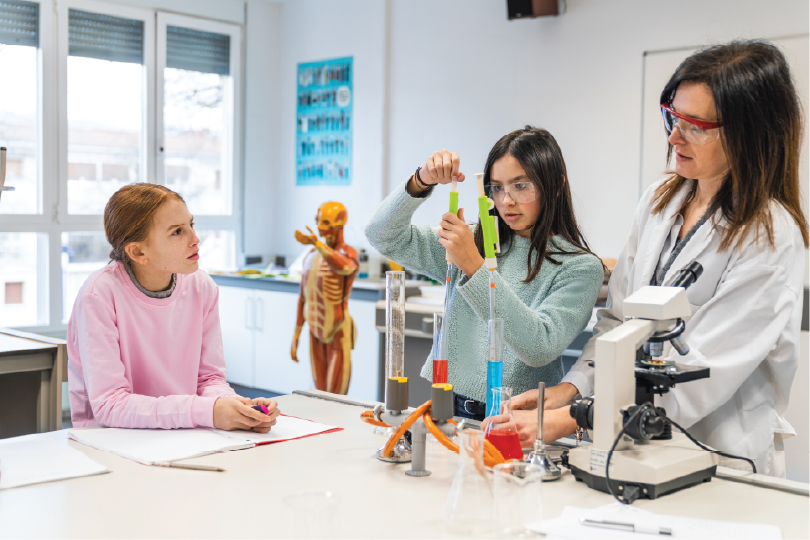
CTE starts in middle school and continues through high school, college and adulthood. Middle school programs help you explore your interests early. In high school, you can go deeper through CTE courses and pathways that connect learning to real careers.
Programs are available across career areas, including Agriculture, Food and Natural Resources; Business and Marketing; Engineering and Technology; Family and Consumer Sciences and Human Services; Health Professions and Public Safety; and Trades and Industry.
Exploring early helps you make more informed choices about education, training and careers.
Earn industry certifications and college credit
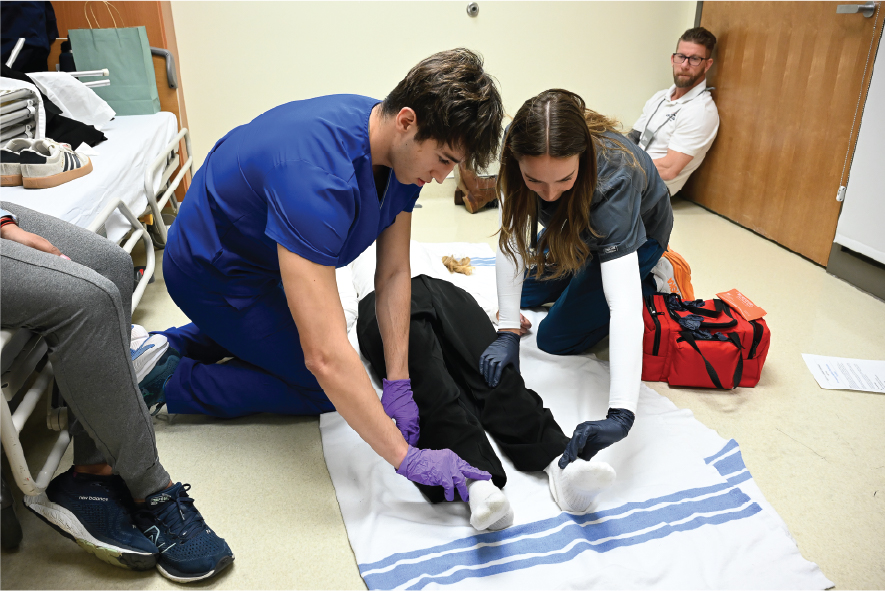
The skills you build in CTE can count beyond the classroom. Depending on your program, you may be able to:
- Earn industry-recognized certifications.
- Earn college credit that can continue with you into postsecondary education.
- Earn SkillStack® badges that document skills you’ve demonstrated.
That can give you a head start on college, training or a career before you finish high school.
Build technical, leadership and workplace readiness skills
Career technical student organizations (CTSOs) give students additional opportunities to practice those skills through competitions, leadership, service and connections with industry. Idaho’s CTSOs align with CTE program areas:
- Agriculture, Food and Natural Resources: FFA
- Business and Marketing: Business Professionals of America (BPA) and DECA
- Engineering and Technology: Technology Student Association (TSA) and BPA
- Family and Consumer Sciences and Human Services: Family, Career and Community Leaders of America (FCCLA)
- Health Professions and Public Safety: HOSA—Future Health Professionals and SkillsUSA
- Trades and Industry: SkillsUSA
Enter the workforce with experience and confidence
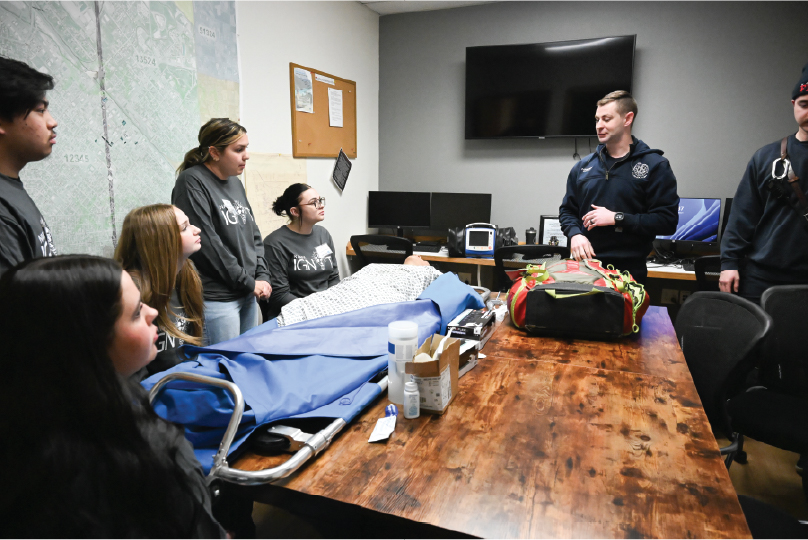
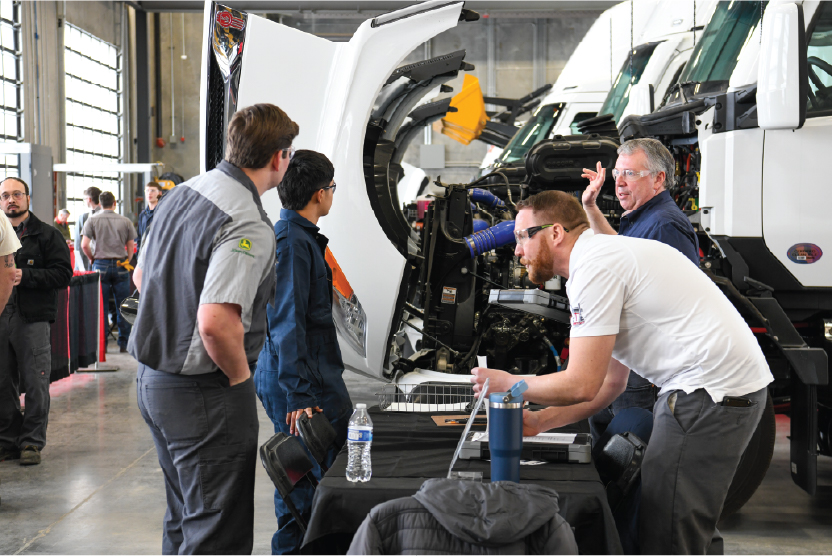
CTE is built around learning by doing. You may train with industry-standard equipment and gain experience through internships, clinical experiences, apprenticeships, job shadows or other work-based learning opportunities.
That experience helps you understand what a career is really like, build connections with employers and enter your next step with skills you’ve already put into practice.